The Quiet Glow of the Small Fair: Five Christmas Markets for a Slow December
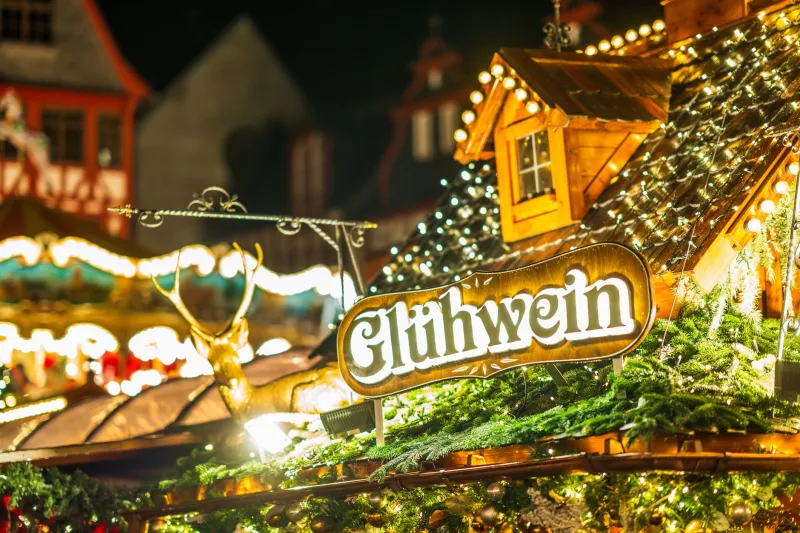
There is a particular kind of December evening that begins with cold fingertips and ends with a paper cup of something spiced. It does not require a funfair, a stage the size of a tennis court or a crowd moving like a tide. In fact, the smaller the market, the more likely you are to find it: that soft, old-fashioned glow where the pleasure is in lingering rather than ticking off stalls.
For 2026, we have picked five British Christmas markets that reward a considered visit. They are in cathedral towns, castle courtyards and village halls — places where the setting does half the work and the stalls do the rest. Dates shift from year to year, so check the organiser’s website before you book trains or persuade anyone into a winter coat. And go early, or go late. The middle of a Saturday is rarely the friendliest hour.
Ely, Cambridgeshire: A Cathedral Close in Miniature
Ely feels like a town that has been folded into a postcard. The cathedral rises above the fens with an almost theatrical calm, and the Christmas market that gathers nearby is small enough to browse without a map. You will find the usual festive suspects done well — local honey, hand-thrown ceramics, wreaths made from garden clippings rather than glitter — alongside stalls selling printed cards and small wooden toys that feel chosen rather than bought in bulk.
What to buy: a jar of local honey for someone who claims not to like presents, and a wreath for your own front door if you can carry it home without crushing it. Where to pause: any café with a window facing the cathedral, or a stall selling hot chocolate thick enough to coat the back of a spoon. The quietest hour is usually late afternoon on a weekday, when the school groups have gone and the lights have just come on. Arrive at three, leave at five, and the whole thing feels like a secret.
Ludlow, Shropshire: Castle Walls and Medieval Smoke
Ludlow’s medieval Christmas fayre is the sort of event that makes you wish you had worn a better hat. It takes place around the castle and the town’s black-and-white streets, with stallholders in period dress and the smell of woodsmoke following you from one courtyard to the next. It is not a theme-park version of history; it is simply a very old town doing something it knows how to do.
What to buy: leather goods, pewter spoons, bottles of local cider and bags of roasted chestnuts that will make your gloves smell faintly of bonfire for the rest of the evening. Where to pause: a sheltered corner of the castle grounds with a cup of mulled cider, ideally while a small choir is doing its best against the wind. The first hour after opening is the most peaceful, but the late afternoon has the better light. If you are going as a couple, book a table for an early supper afterwards — Ludlow is full of small dining rooms that suit a cold night.
Grassington, North Yorkshire: A Village That Slips Into Another Century
Grassington’s Dickensian festival is less a market than a whole village briefly agreeing to live in the past. The streets fill with lantern-lit stalls, brass bands, choirs and shopkeepers in Victorian costume. It can get busy, especially on the main weekend, but the side lanes and the village hall are where the quieter pleasures live: handmade wool, preserves, second-hand books and the kind of small, useful gifts that get used rather than stored.
What to buy: a wool scarf from a local weaver, a jar of damson jam, and a paper bag of something sweet from a village hall stall. Where to pause: a tea room just off the main square, or the church if it is open and the cold has got into your bones. Timing is everything here. Go on the earliest opening of the day if you want photographs without strangers in them, or wait until the lanterns are lit and the crowd has thinned into pockets of carol singing. Either way, wear boots. The Dales in December are beautiful and unforgiving in equal measure.
Beverley, East Yorkshire: Minster Stones and Small Joys
Beverley is one of those towns that feels quietly sure of itself. The minster is enormous, the streets around it are old, and the Christmas market that settles here is modest in the best sense. Stalls tend to favour crafts and food rather than novelty tat: knitted things, candle makers, cheese, chutney, small prints of local streets. It is the kind of market where you can buy almost all of your Christmas presents in one slow loop and still have time for a proper cup of tea.
What to buy: a candle that smells of something other than vanilla, a local cheese for the Christmas board, and a small print for a friend who has just moved house. Where to pause: a café near the Saturday Market, or the minster itself if you need five minutes of stone-cool quiet. The most atmospheric time is late on a Saturday afternoon, when the market is winding down and the pubs are beginning to glow. Avoid the middle of the day if you can. This is a town for strolling, not queueing.
Fowey, Cornwall: A Harbour Lit Sideways
Fowey’s Christmas market is the smallest on this list, and all the better for it. The harbour town wraps itself around a narrow street and a few halls, with stalls selling Cornish sea salt, local gin, ceramics, wreaths and prints. The light comes off the water in a way that makes even a paper cup of mulled wine look cinematic. It is not the place for a grand day out; it is the place for an afternoon that turns into an early evening without anyone quite deciding to leave.
What to buy: sea salt, a bottle of something local, and a small ceramic dish for holding rings or olives or whatever small things need holding. Where to pause: a pub with a window over the water, preferably one with a fire and a menu of things on toast. The quietest hours are usually Friday afternoon and early Sunday, before the day-trippers arrive. Stay for the lights coming on across the harbour. It is the sort of sight that makes a Christmas market feel less like shopping and more like a scene you happened to walk into.
A note on timing
Small markets are not automatically calm. A village hall can become a crush by noon, and a cathedral close can feel like a train platform at five o’clock. The trick is to choose your hours with the same care you would give to a dinner reservation. Weekday late afternoons are usually best. Arrive with cash, a canvas bag and no fixed list. Buy the warm drink before you are desperate for it. And if a stallholder tells you the choir is about to start, stay. That is often the whole point.