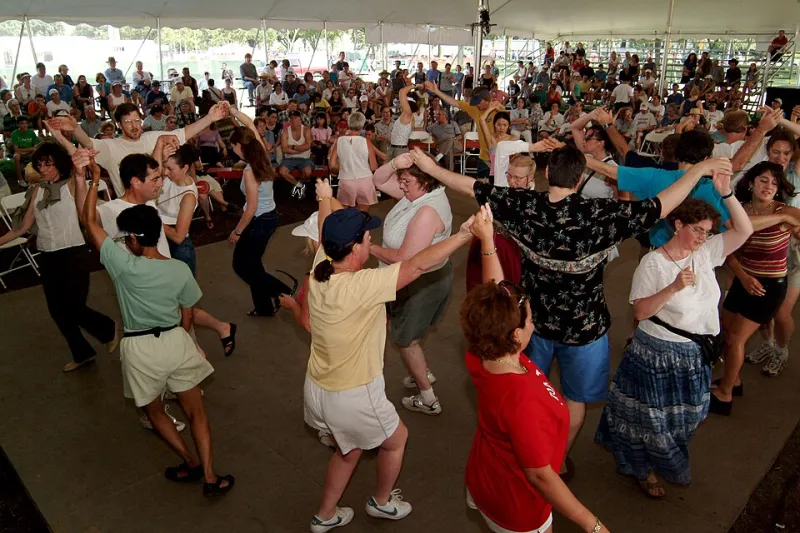
Stir Once, Wish Once: A Gentle Guide to Stir-Up Sunday 2026
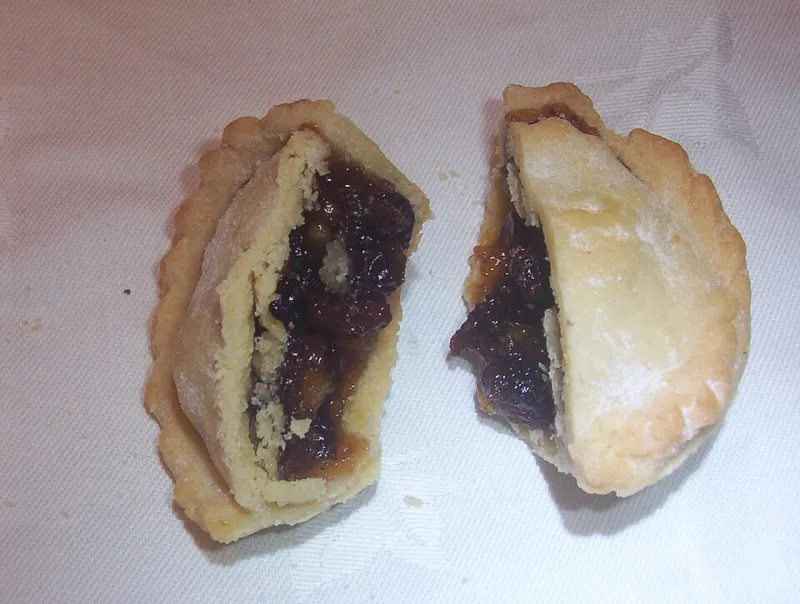
Photo: Kaly99, Public domain, via Wikimedia Commons
On 22 November 2026, the last Sunday before Advent, a certain kind of kitchen will smell of orange peel, nutmeg and something stronger. Someone will be standing at the stove with a wooden spoon, and someone else will be saying, ‘Go on, give it a stir.’ It is Stir-Up Sunday — a quiet British ritual that turns a Christmas pudding into a small celebration of its own.
A collect, a pudding, a small act of hope
The name comes from the Book of Common Prayer. The collect for the Sunday before Advent begins, ‘Stir up, we beseech thee, O Lord, the wills of thy faithful people.’ It was a nudge towards good works, but households heard something else in it: a reminder to stir up the Christmas pudding. By the Victorian period, the last Sunday before Advent had become the traditional day for making the pudding, giving it weeks to mature before Christmas Day.
The old custom asked everyone in the house to take a turn stirring — often east to west, in honour of the Magi — and to make a silent wish as they did. Charms were once dropped into the mix: a ring for marriage, a button for bachelorhood, a thimble for spinsterhood. We can leave those in the history books. A handwritten wish tag is kinder, safer and altogether more The Roseline.
Why it suits the way we want to celebrate now
We are, in 2026, a little tired of celebrations that feel like performances. Another long table, another careful menu, another evening where everyone is seated and slightly stiff. Stir-Up Sunday is the opposite. It is a task with ritual at its heart, and the ritual is not complicated: gather, stir, wish, wait.
It asks for a bowl, not a florist. It asks for company, not a guest list. And it gives the season a beginning that is not about buying anything — just dried fruit, a little patience and the pleasing feeling of having made something that will be eaten weeks later by people you love.
How to host a small stir-up gathering
Keep it intimate: four to eight people is plenty. Ask each guest to bring one ingredient — a bag of currants, a bottle of ale, a jar of candied peel — or simply to bring a wish. Set the table with a linen cloth, a few small bowls, wooden spoons and a pot of tea. If you want to be traditional, use suet; if you want to be inclusive, use vegetarian suet and say so on the invitation.
A simple traditional mix might include raisins, currants, sultanas, candied peel, soft brown sugar, breadcrumbs, mixed spice, grated nutmeg, eggs, a splash of brandy or dark ale and a little flour. Let everyone take a turn stirring and making a silent wish. This is not the moment for a masterclass. It is the moment for someone to spill some flour and for everyone to laugh.
Spoon the mixture into buttered pudding basins, cover with parchment and foil, and steam. Small individual puddings are forgiving and make lovely gifts; a large one is satisfyingly old-fashioned. Let them cool, wrap them well and store them somewhere cool and dark. On Christmas Day, steam again until hot, turn out and serve with brandy butter or cream.
The handwritten wish tag
Before guests arrive, cut small tags from cream card. Each guest writes a wish — private or shareable, silly or sincere — and their name and the date. Do not tie the tags to the puddings before steaming. Instead, attach them after the puddings are cool and wrapped, so the paper stays crisp and the wishes stay legible.
There is something rather moving about handing someone a pudding in December with a tag in their own handwriting. It is a small record of a Sunday in November when everyone stood around a bowl and hoped for something.
A note on timing
Stir-Up Sunday is not a deadline; it is an invitation. If 22 November 2026 passes in a blur of work and laundry, make the pudding the following weekend and call it a belated stir. The pudding will not mind. The wish, after all, is the point.