Where the Year Turns: Five Quiet Ways to Keep the Solstice
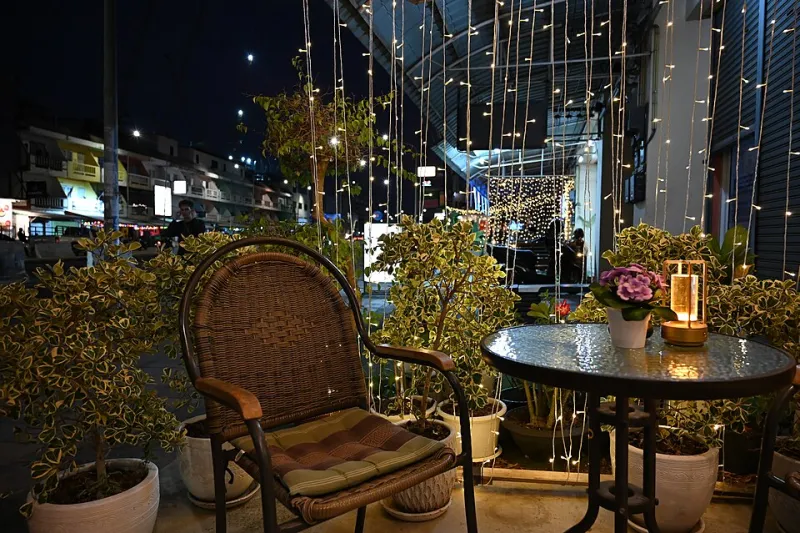
Photo: PattayaPatrol, CC BY-SA 4.0, via Wikimedia Commons
There is a particular quiet that settles over Britain in the third week of December, somewhere between the last of the shopping and the first of the guests. The solstice slips in almost unnoticed: a small astronomical turning that most of us meet with nothing more than a slightly earlier sunset and a private flicker of relief. And yet it may be the most romantic night of the year — the longest dark, held on purpose, just before the light begins its slow return.
This year the solstice falls on Monday 21 December, the exact moment arriving shortly before nine in the evening. Which means the whole day belongs to it: the dawn, the dusk, and the long stretch in between. Here are five restrained ways to mark it, none of which require tinsel.
First, a small correction to the calendar
The solstice is not a festival. It has no gifts, no prescribed menu, no one to disappoint. That is precisely its appeal. Treat it as a hinge rather than a highlight — an evening to stand still for an hour and notice that the year has turned a corner. Everything below is optional. Do one thing, or nothing at all, and simply go to bed early in the knowledge that the days are lengthening again.
1. Be at the stones before the sun
Britain is unusually well supplied with places that seem to have been built for exactly this morning. Avebury in Wiltshire is open access, free, and gloriously unstructured — you can walk the avenue at first light with a flask and no one to answer to. Castlerigg, above Keswick in Cumbria, offers a ring of stones against a horizon of fells. Stonehenge, managed by English Heritage, asks a little more of you: check opening times and book ahead, and accept that you will be sharing the moment rather than having it to yourself.
Sunrise on 21 December lands around eight o'clock in London and a good deal later in the north. Arrive forty minutes early, in wool and proper boots, and stand still enough to feel how the cold works. Bring a thermos. Do not bring a drone, chalk, a fire, or a group of twelve.
2. Walk a lane by lantern-light
If a 5am alarm feels like too much, take the evening instead. Choose a footpath you know — the loop past the churchyard, the lane behind the allotments, the towpath that never quite gets dark — and walk it slowly with one other person and one small light.
A jam jar with a candle is charming and completely impractical in wind; a battery lantern wrapped in muslin is charming and will actually work. Twenty minutes is enough. Leave the phone in your pocket. The point is not the scenery, which you have seen a hundred times, but the sound of two people walking quietly through a dark that is not, for once, an inconvenience.
3. Set one flame at the table
At home, keep it simple enough to actually do. A single beeswax candle in a proper holder. A sprig of holly, or a small dish of salt, or nothing. Light it at dusk and let it burn while you eat.
If you would like a small ritual to go with it, this one has a long pedigree and costs nothing: each person writes a line on a scrap of paper — something to leave in the old year — reads it aloud, and then burns it carefully over a metal sink or a fireproof dish. If open flame and paper make you nervous, say the line aloud and snuff the candle instead. The gesture survives the method.
4. Eat something dark and slow
A solstice supper should feel like the opposite of a Christmas do. Small table, four people at most, no schedule. Something braised and rooty: black lentils, red cabbage, a slow shoulder of something, baked apples with far too much cream. One candle, linen napkins if you have them, a decent bottle opened without ceremony.
The etiquette here is worth stating plainly: resist the urge to invite everyone. The solstice rewards a narrow guest list. Two is lovely. Six is a party, and the point is not to have a party.
5. Give the last hour to no electricity
Snuff the overheads. Leave one lamp, or none. Read aloud to whoever is in the house — a poem you both know, a chapter of something old, a letter you have been meaning to answer. Play a record instead of a playlist. Sit in the dark for ten minutes and listen to the weather.
It is a small discipline, and it will feel strange for about four minutes. Then it will feel like the most obvious thing in the world, which is roughly the sensation the solstice is trying to offer.
A note on leaving things as you find them
If you go to a stone circle, go as a guest. No open flames on National Trust or English Heritage land, no chalk, no chalk substitutes, no music on speakers, no leaving of offerings that were not there before you arrived. Some sites are permissive and some are delicate; check before you drive two hours. And if you find yourself one of forty people at dawn, be gracious about it. The year turns for all of them too.
Then come home, warm your hands, and put the kettle on. The light is already on its way back.