A Garden Made of Anticipation: Five Rose Nurseries Worth a Winter Journey
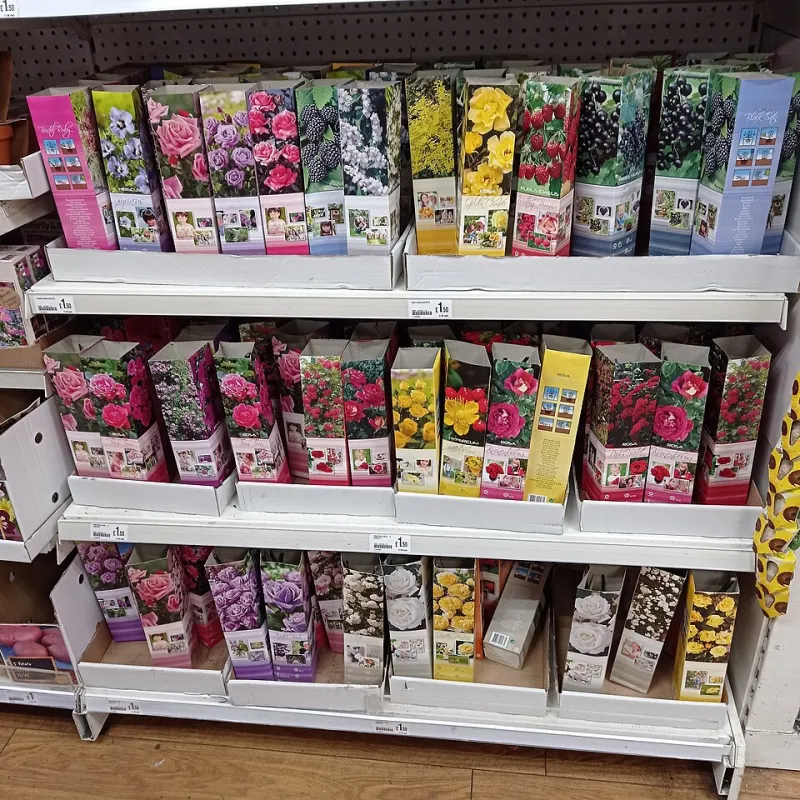
Photo: Philafrenzy, CC BY-SA 4.0, via Wikimedia Commons
By mid-November 2026, the catalogues are open, the last leaves are down and the rose beds have gone quiet. This is the moment when a certain kind of gardener stops thinking about flowers and starts thinking about roots. Bare-root season runs from late autumn through to early spring, and the nurseries that grow roses are at their most honest now: no billowing blooms, no colour to distract you, just rows of labelled stems, lifted plants and the promise of what comes next.
At The Roseline, we like the romance of that. A winter visit to a rose grower is not a day out in the usual sense. It is a slow afternoon of borrowed light, muddy boots and careful lists. You go not to see the garden at its peak but to understand it at its beginning.
Why winter is rose time
Bare-root roses are lifted while dormant and sold between roughly November and March. Because they travel without soil, they are lighter, cheaper to send and often available in a far wider range than potted plants in summer. They also establish well: planted in mild, frost-free conditions, their roots settle in before the first push of spring.
The catch is that a bare-root rose looks like little more than a tidy bundle of twigs. That is the point. Winter asks you to read the plant differently, to look at the shape of the stems, the health of the roots and the label rather than the flower. It is gardening as anticipation, which is perhaps the most romantic kind there is.
Five growers for a slow winter afternoon
David Austin Roses, Albrighton, Shropshire. The name is familiar to anyone who has fallen for an English Rose, and the display gardens are a lovely place to wander even when the beds are resting. In winter the emphasis shifts to the collection itself: fragrance, repeat flowering and the habit of each rose. Go with a notebook, decide which scents you actually like, and check current opening times before travelling.
Peter Beales Roses, Attleborough, Norfolk. A long-standing specialist with a serious collection and a rose garden that rewards a quiet walk. Winter is a good time to see the structure of climbing and shrub roses, and to ask questions without the summer crowds. Not every part of a working nursery is open to visitors in the cold months, so a quick call or a look at the website is sensible.
Fryer's Roses, Knutsford, Cheshire. A family grower with a practical, no-nonsense air, and a useful stop if you are choosing for a smaller plot. Their range includes roses suited to containers and tighter spaces, which makes a winter visit especially worthwhile if your garden is a courtyard rather than a rolling border.
Apuldram Roses, Chichester, West Sussex. A specialist grower that feels pleasantly tucked away, with the kind of quiet expertise you want when ordering bare-root plants by post. It is the sort of place to visit with a short list, a warm coat and no rush. Do check ahead, as winter opening can be limited and appointment-led.
Harkness Roses, Hitchin, Hertfordshire. A historic name in British rose breeding, with a heritage that goes back to the nineteenth century. A winter enquiry here is less about spectacle and more about advice: which varieties are healthy, which are scented, which will cope with your conditions. Again, confirm opening arrangements before you set out.
Choosing for a small garden or courtyard
Small gardens need honest choices. Before you fall for a photograph, check the mature size, the spread and the way the rose grows. A climber needs a wall or an obelisk; a shrub needs room to breathe; a patio rose needs a container that will not dry out by Thursday. Fragrance is personal, so buy for the scent you like rather than the one the label insists is irresistible.
For courtyards and pots, look for compact roses and choose a container of at least 40cm across, with good drainage and a loam-based compost. Raise it slightly off the ground so winter wet can escape. If the ground is frozen or waterlogged on planting day, heel the rose into a sheltered patch and wait for better conditions rather than forcing it into a cold puddle.
Ordering bare-root without the panic
Order early if you want a particular variety, and ask the grower to send at the right time for your area. Bare-root roses are usually dispatched from January into March, depending on the season. Open the parcel promptly, check the roots and follow the grower's planting guide. A soak before planting is often recommended, but the best advice is always the advice that comes with your plant.
And do not be alarmed by the twig-like appearance. A bare-root rose is not a disappointment; it is a beginning. Plant it, label it, water it in and then let winter do the rest.
The quiet promise
A winter visit to a rose nursery is a small act of faith. You leave with muddy boots, a labelled plant and perhaps a scrap of paper listing the varieties you will order next year. Nothing is in bloom. Everything is ahead. That, for us, is the real romance of the rose garden in November: not the flower you can see, but the one you are quietly promising yourself.